

Finding a job after retirement does not have to mean returning to a busy office, waking up early every morning, or spending hours commuting.
If you are a senior in the United States who wants to earn extra money while enjoying a flexible schedule, data entry could be worth exploring.
Many businesses need people who can enter information, update records, organize spreadsheets, and check documents for errors.
Some of these tasks can be completed from home with a computer and a reliable internet connection.
The best part? You don’t need a college degree or years of professional experience to qualify for entry-level positions.
If you are comfortable using a computer, paying attention to details, and following instructions, you already have some of the skills employers want.
Data entry can also suit retirees who prefer part-time work. Depending on the employer, you might find evening shifts, weekend assignments, temporary contracts, or projects that allow you to choose when you work.
In this guide, we will explore 10 data entry jobs seniors can consider, what each job involves, how much you will earn, and where to look for legitimate opportunities.
We will also cover practical ways to get started, even if you have never held a remote data entry job before.
What Is Data Entry, and Is It a Good Job for Seniors?
Data entry involves entering, updating, organizing, or checking information in a computer system.
The information might include customer names, addresses, sales figures, insurance details, product numbers, or medical records.
For example, a small business might hire someone to transfer handwritten customer information into a spreadsheet. A healthcare company might need a worker to review forms and enter patient details into its records system.
Most data entry work requires patience, accuracy, basic computer skills, and good attention to detail. Some employers also expect you to know how to use Microsoft Excel, Google Sheets, or industry-specific software.
10 High-Paying Data Entry Jobs for Seniors With Flexible Hours
Here are 10 options worth considering if you want to work from home, choose part-time hours, or put your existing office skills to good use.
1. Remote Data Entry Clerk
Estimated pay: $15–$22 per hour
A remote data entry clerk is one of the most straightforward jobs to consider if you want to start earning from home.

The work usually involves entering information into a company’s computer system. You might update customer records, enter order details, check contact information, or transfer information from paper forms into digital files.
For example, a small online retailer may need someone to enter new product descriptions, update inventory numbers, and correct customer addresses.
The work is often repetitive, but it can be a good fit if you like organized tasks and prefer working independently.
Why seniors may like this job
You do not necessarily need a college degree. Some employers accept applicants with a high school diploma or equivalent and provide short-term training. Familiarity with spreadsheets, email, and basic typing is helpful.
Depending on the company, you may find part-time shifts, temporary assignments, or positions with a set number of hours each week.
However, remote does not automatically mean flexible. Some employers require you to work scheduled shifts or meet daily production targets.
Where to look: Search the Indeed, FlexJobs, and AARP Job Board for remote data entry clerk positions. Confirm the employer’s identity before applying.
Helpful tip: Practice entering information into a spreadsheet and checking it for errors. Accuracy can matter just as much as typing speed.
Check out these high paying part time jobs for seniors In America. No degree needed.
2. Medical Data Entry Specialist
Estimated pay: $17–$27 per hour
Healthcare organizations handle a lot of information every day. Patient registration forms, appointment details, laboratory records, and insurance information all need to be entered and maintained accurately.
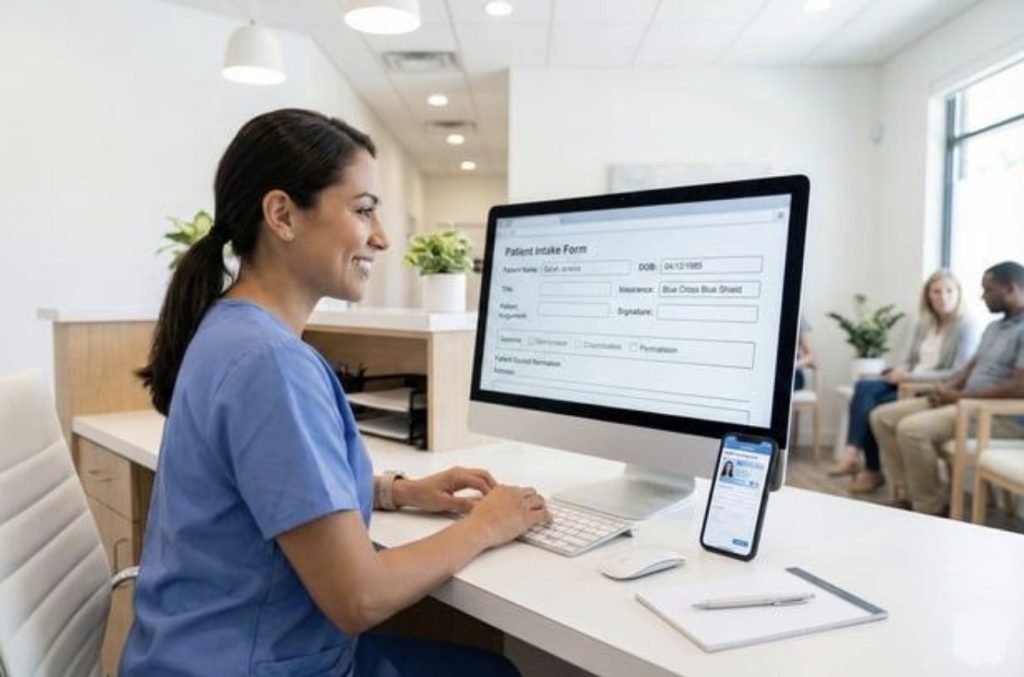
A medical data entry specialist helps keep these records organized.
Depending on the employer, your responsibilities might include entering patient demographics, updating appointment information, reviewing forms for missing details, or transferring information into an electronic health record system.
Some positions are fully remote. Others require occasional office visits or scheduled shifts.
Why this job can be attractive
Medical data entry may pay more than basic clerical work when the role requires healthcare terminology, specialized software, or previous medical office experience.
You do not necessarily need to be a nurse or medical professional.
Some employers offer entry-level administrative positions with training. However, more specialized medical records jobs may require a relevant certificate, experience, or additional education.
You must also be comfortable protecting private patient information and following the employer’s security procedures.
Where to look: Search hospital career pages, healthcare staffing agencies, medical billing companies, and health insurance providers. Use job titles such as remote medical data entry specialist, patient registration representative, and medical records clerk.
Helpful tip: If you have previously worked in a doctor’s office, pharmacy, hospital, or insurance office, mention that experience on your resume. It may help you qualify for better-paying roles.
3. Insurance Data Entry Clerk
Estimated pay: $17–$25 per hour
Insurance companies receive applications, policy changes, claims forms, payment records, and other documents that must be entered into their systems.

An insurance data entry clerk helps process this information.
You might enter policyholder details, update addresses, record claim information, verify dates, or flag missing documents for review.
The job requires careful attention because a small mistake can cause delays or create problems with a customer’s policy.
Why seniors may be a good fit
If you spent years working in customer service, banking, administration, or an office environment, you may already understand the importance of accurate records.
Insurance companies and third-party administrators sometimes hire temporary workers during busy periods. These assignments may be useful if you want to work for a limited number of months rather than commit to a permanent full-time schedule.
Where to look: Check insurance company career websites and search for insurance processing clerk, claims data entry specialist, or policy processing assistant.
Helpful tip: Highlight your accuracy, confidentiality, and ability to follow detailed instructions. Those qualities are valuable in insurance work.
Check out these legit and easy Passive Income ideas for Retirees that pay well.
4. Remote Bookkeeping Data Entry Clerk
Estimated pay: $18–$30 per hour
If you are comfortable with numbers, bookkeeping-related data entry could be worth exploring.

Small businesses need help recording expenses, entering invoices, updating payment records, and organizing transactions. Some hire part-time workers to handle these tasks instead of employing a full-time bookkeeper.
You may enter invoice amounts into accounting software, match receipts to transactions, organize vendor information, or update customer payment records.
This job can be particularly appealing to retirees who worked in banking, accounting, office administration, or business management.
Why it can pay more
Bookkeeping data entry involves more than copying names and numbers. You may need to understand invoices, expense categories, payment dates, and basic financial records.
That extra knowledge can make you more valuable to a business.
However, do not confuse a basic data entry position with a full bookkeeping role. Bookkeepers may be expected to reconcile accounts, prepare financial reports, or maintain complete accounting records. Those responsibilities require additional skills.
Where to look: Search small business job boards, accounting firms, bookkeeping service providers, and freelance marketplaces for accounts payable data entry clerk, invoice entry specialist, and bookkeeping assistant.
Helpful tip: Learn the basics of Excel and one common accounting platform. Even introductory knowledge can help you stand out from applicants who only offer general typing skills.
5. E-Commerce Product Listing Specialist
Estimated pay: $16–$25 per hour
Online stores regularly add products, change prices, update inventory, and revise product descriptions.

A product listing specialist helps keep that information accurate.
Your duties may include entering product names, adding prices and stock quantities, uploading product details, assigning product categories, and checking that descriptions match the correct items.
For example, a small clothing store may need help entering sizes, colors, prices, and product descriptions for dozens of new items.
This type of work can be appealing if you enjoy organizing information and are comfortable navigating websites.
Why it suits flexible work
Some small businesses hire freelancers for a specific batch of products. You may be able to complete the assignment over several days instead of working a fixed eight-hour shift.
Other employers hire ongoing assistants who maintain listings every week.
Your schedule will depend on the agreement. Before accepting a project, ask about deadlines, the number of listings, and whether you will be paid hourly or per completed item.
Where to look: Search freelance marketplaces and e-commerce agencies for product listing specialists, e-commerce data entry assistants, and online catalog assistants.
Helpful tip: Create a sample spreadsheet with product names, SKU numbers, prices, sizes, and stock quantities. It gives potential clients a simple way to see how you organize information.
6. Accounts Payable Data Entry Clerk
Estimated pay: $18–$28 per hour
Accounts payable is the part of a business that handles money owed to vendors and suppliers.

An accounts payable data entry clerk enters invoice information, records due dates, updates vendor records, and helps ensure that documents are ready for payment processing.
For instance, a business may receive dozens of invoices from suppliers each week. Someone must enter the invoice number, vendor name, amount due, and payment deadline into the accounting system.
You may also check for duplicate invoices or identify missing information.
Why it can be a good opportunity
This position combines data entry with basic financial administration. That can make it more valuable than a role that involves typing information without any additional responsibility.
It may suit seniors who previously worked in office administration, purchasing, retail management, or accounting.
Some businesses need only a few hours of invoice processing each week. Others require workers to be available during regular business hours, especially near payment deadlines.
Where to look: Search accounting firms, local businesses, nonprofit organizations, and remote job boards for accounts payable clerk, invoice processing clerk, or remote AP assistant.
Helpful tip: Learn how to sort spreadsheet records, use basic formulas, and identify duplicate entries. These skills can help you complete invoice work more efficiently.
7. Customer Database Management Assistant
Estimated pay: $18–$30 per hour
Businesses need accurate customer records to communicate with clients, process orders, and keep track of relationships.

A customer database management assistant helps maintain those records.
You might update contact information, remove duplicate entries, correct spelling mistakes, add new customer details, or organize information in a customer relationship management system.
Some companies also ask assistants to categorize records or check whether important fields are missing.
What makes this job different?
Basic data entry focuses on putting information into a system. Database support often involves keeping that information clean, organized, and useful.
Knowing how to use Excel, Google Sheets, or customer relationship management software can help you qualify for more specialized assignments.
This can be a good option for seniors with experience in sales administration, customer service, membership organizations, or office management.
Where to look: Search for CRM data entry assistant, customer database coordinator, and database maintenance assistant on remote job boards and company career pages.
Helpful tip: Familiarize yourself with the basics of a customer relationship management platform. You do not need to become a software expert, but knowing how records are organized can help.
8. Legal Records Data Entry Clerk
Estimated pay: $17–$27 per hour
Law firms, courts, and legal service providers handle large volumes of paperwork.

A legal records data entry clerk may enter case numbers, update client information, organize digital files, record filing dates, and check documents for missing details.
The exact responsibilities depend on the organization. Some roles involve simple clerical work, while others require familiarity with legal terminology and document management systems.
Why consider this role?
If you previously worked in a government office, administrative department, courthouse, or professional services firm, your experience may transfer well.
Legal offices often value confidentiality, careful recordkeeping, and the ability to follow established procedures.
Some firms use temporary workers to help organize archived documents or manage an increase in administrative work. These projects may be suitable for people seeking a limited commitment.
However, legal records work is not always flexible. Court deadlines and office procedures may require specific working hours.
Where to look: Check law firm career pages, legal staffing agencies, court employment websites, and remote administrative job listings. Search for legal data entry clerk, case records assistant, or legal document indexing clerk.
Helpful tip: Make accuracy and confidentiality prominent on your resume. Do not claim legal software experience unless you have actually used it.
9. Insurance Claims Data Entry Specialist
Estimated pay: $18–$29 per hour
Insurance claims departments must collect and organize information before claims can be reviewed and processed.

A claims data entry specialist may enter claim numbers, dates, policy details, supporting document information, and other required fields into a claims management system.
You might also check whether forms contain the information needed for the next step in the process.
This role can overlap with insurance processing, but some positions focus more heavily on entering and organizing claims information rather than making decisions about coverage.
Why it may pay well
Claims work can involve detailed procedures, strict deadlines, and sensitive information. Employers may pay more when they need someone who already understands insurance records or claims software.