

Christmas can be one of the most enjoyable times of the year.
But it can also be expensive.
Gifts, food, travel, decorations, family gatherings, and unexpected expenses can quickly add up.
For retirees living on Social Security, a pension, or a fixed income, Christmas spending can create a difficult choice.
Do you spend your savings or cut back on the holidays?
More retirees are looking for another option. Instead of automatically reaching into their retirement accounts, they are finding simple ways to bring in extra money before Christmas.
The good news is that you do not need to start a full-time job to do it.
A few hours a week can make a difference.
Here are some practical ways retirees can fund Christmas while keeping their savings untouched.
1. Taking Paid Surveys From Home
One of the simplest ways to make a little extra money is by taking paid online surveys.
This can be especially convenient for retirees because you can do it from home.
All you generally need is a smartphone or computer and an internet connection.
Survey websites pay users for sharing their opinions about products, services, advertisements, and everyday experiences.
I earn $103 weekly taking paid surveys on SurveyJunkie with just my phone and internet connection.

That money helps me shop for Christmas and also pay my bills. .
Many women over 50 in the United States are also using survey platforms to earn extra money from home.
Some may earn up to $400 monthly, although actual earnings can vary depending on the number of available surveys, your profile, and how much time you spend.
The process is simple:
- Join SurveyJunkie for FREE.
- Sign up with your active email address. You receive 25 points for signing up.
- Check your inbox and click the green button to confirm your email. You receive a 25 point bonus for confirming your email.
- Complete your profile so that SurveyJunkie can find high-paying surveys that suit you. You receive 50 points for completing your profile.
That’s all.
Sign Up For Free On SurveyJunkie and Start Making Money
2. Selling Things Around the House
Many retirees have something sitting around the house that somebody else would happily buy.
Look around your garage, basement, closet, attic, and storage areas.
You may find old tools, collectibles, furniture, electronics, kitchen appliances, books, holiday decorations, vintage items, or clothing that you no longer use.
Selling unused items can turn clutter into Christmas money.
You do not necessarily need to find expensive antiques. Several smaller sales can add up.
For example, selling 10 unwanted items for an average of $20 would generate $200.
That could pay for several Christmas gifts without taking money from your savings.
Before listing anything, clean it up and take clear pictures. Research similar items to get an idea of what buyers are currently paying.
3. Doing Small Jobs for People Nearby
Retirement does not necessarily mean you have to stop working completely.
Some retirees are choosing small, flexible jobs instead of traditional employment.
Think about things people in your neighborhood may need help with.
You could offer services such as pet sitting, house sitting, organizing, light yard work, grocery pickup, errands, or helping someone prepare their home for the holidays.

Your options will depend on your health, transportation, skills, and what is permitted in your area.
The advantage is that you can choose jobs that fit your schedule.
You might only want to work a few hours each week during November and December.
That could be enough to create a separate Christmas budget.
For example, earning $50 from two small jobs each week for six weeks would generate $600.
That is money you can potentially put toward gifts, food, or holiday travel instead of withdrawing it from retirement savings.
4. Turning a Hobby Into Christmas Income
Retirees often have skills they developed over decades.
Some of those skills can become small sources of seasonal income.
Do you bake?
Do you sew?
Are you good at woodworking?
Can you make handmade decorations?
Do you enjoy photography, crafting, gardening, repairing things, or creating personalized gifts?
Christmas can create demand for handmade and personalized products.
You could sell items locally or through an online marketplace, depending on your comfort level.
You do not need to build a huge business.
Start small.
Make a few products. See what people are interested in. Then decide whether it is worth making more.
The goal is not to turn retirement into another stressful career.
The goal is to create some extra cash while doing something you already enjoy.
5. Renting Out Unused Space
Some retirees have extra space in their homes.
A spare bedroom, parking space, garage, storage area, or other usable space could potentially generate income.
However, this option requires more planning than selling unwanted items or taking surveys.
Before renting anything, check local rules, insurance requirements, taxes, and any restrictions that apply to your property.
If you are considering short-term guests, think carefully about safety and privacy as well.
For retirees who have suitable unused space, though, rental income can potentially become another source of Christmas spending money.
Even a few hundred dollars can make a meaningful difference during an expensive season.
6. Using Cash Back and Rewards Strategically
Another way to stretch Christmas money is by making your existing spending work harder.
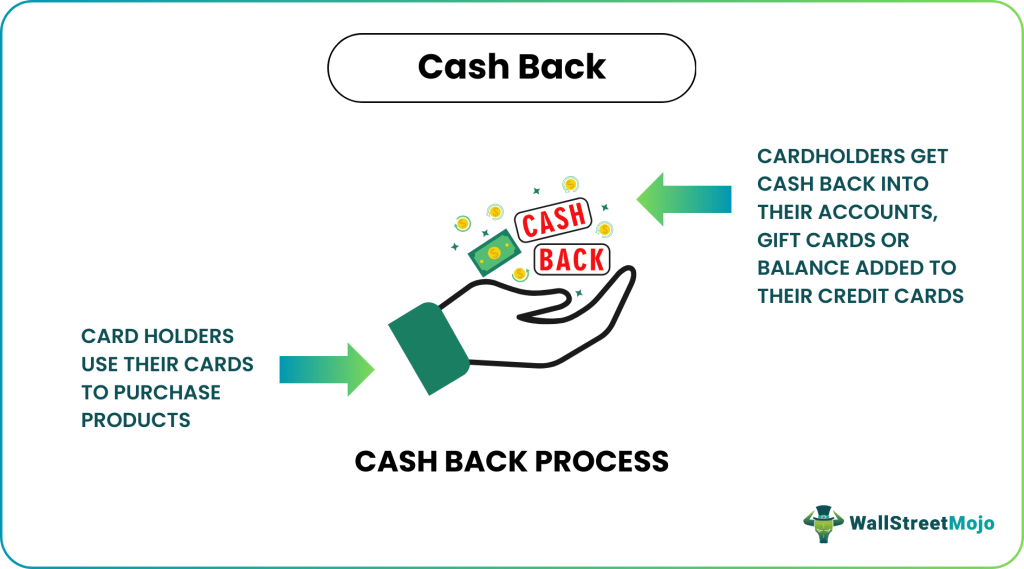
Some credit cards, shopping programs, and retailers offer cash back or rewards.
But there is an important rule.
Do not spend extra just to earn rewards.
If you were already planning to purchase groceries or other necessities, using a legitimate cash-back program may help you get a little money back.
The same applies to shopping around for discounts.
Compare prices before buying Christmas gifts. Look for sales and consider whether you can purchase certain items earlier rather than waiting until the last minute.
Saving $10 here and $20 there may not feel significant.
But across an entire Christmas shopping list, it can become substantial.
7. Creating a Separate Christmas Fund
One mistake that can make Christmas expensive is treating every dollar in your bank account as available spending money.
Instead, create a specific Christmas budget.
Suppose you want to spend $600 on Christmas.
Rather than waiting until December and trying to find $600 at once, break it into smaller targets.
You could aim for $100 each month for six months.
Or you could combine different sources.
Maybe you make $200 from selling unused belongings, $150 from small jobs, and another $100 from surveys and cash-back rewards.
Now you have $450 toward Christmas without necessarily withdrawing $450 from your retirement savings.
This approach makes the goal feel much more manageable.
Why Protecting Retirement Savings Matters
Retirement savings are designed to support you over many years.
That does not mean you should never spend your money. Retirement accounts exist to help fund your life.
But unnecessary withdrawals can reduce the amount available for future expenses.
There can also be tax consequences depending on the type of account, your age, and your overall financial situation.
That is why Christmas spending deserves some planning.
Before withdrawing money from an IRA, 401(k), or other retirement account, consider whether there is another reasonable way to cover the expense.
For major financial decisions, it can also make sense to speak with a qualified tax or financial professional.
Start Earlier Than You Think
If you want to avoid touching your savings this Christmas, do not wait until December.
Start now.
Make a list of what you actually need to pay for.
Then set a realistic Christmas spending limit.
Next, choose one or two ways to generate extra money.
You do not have to do everything on this list.
Maybe selling unused belongings is easiest for you.
Maybe you prefer online surveys because you can work from your phone.
Perhaps you enjoy helping neighbors with small jobs.
The best option is the one that fits your schedule, abilities, and comfort level.
Christmas Does Not Have to Empty Your Savings
A comfortable Christmas does not necessarily require a huge budget.
The key is planning ahead.
Instead of automatically withdrawing money from your retirement savings, look for ways to create a separate holiday fund.
Sell things you no longer need.
Take on a few flexible jobs.
Use skills you already have.
Take advantage of legitimate rewards and discounts.
Or find a simple online activity that allows you to earn small amounts from home.
None of these methods will make you rich overnight.
That is not the point.
The goal is to give yourself another option.
A few dollars earned today can become a few hundred dollars by Christmas when you stay consistent.
And for a retiree trying to enjoy the holiday season without unnecessarily dipping into savings, that extra money can provide something valuable: more flexibility and less financial pressure.
Start small. Set a target. Track what you earn.
By the time Christmas arrives, you may be surprised by how much you were able to put together without making a large withdrawal from your retirement savings.
Frequently Asked Questions
Can retirees really make extra money before Christmas?
Yes. Retirees can potentially earn extra money through flexible activities such as selling unwanted belongings, doing small local jobs, online surveys, seasonal work, or selling products based on their skills. Earnings vary widely.
What is the easiest way for a retiree to make Christmas money?
There is no single option that works for everyone. Selling unused items can be quick if you already have things buyers want. Online surveys can be convenient for people who prefer working from home, while local services may provide larger payments for fewer hours.
Should retirees withdraw retirement savings for Christmas?
It depends on your overall financial situation. Retirement savings are an important source of long-term financial security, so it can be useful to consider other ways of covering optional holiday expenses before making a withdrawal. Tax and account rules can also matter.
How early should I start saving for Christmas?
The earlier the better. Even setting aside a small amount each month can make December less stressful. Starting several months before Christmas also gives you more time to sell items or earn additional income.
Can I make Christmas money without getting a traditional job?
Yes. You can explore flexible options that do not require a traditional full-time job. Selling things you no longer need, completing online surveys, doing occasional errands, pet sitting, or turning a hobby into a small seasonal business are examples.