
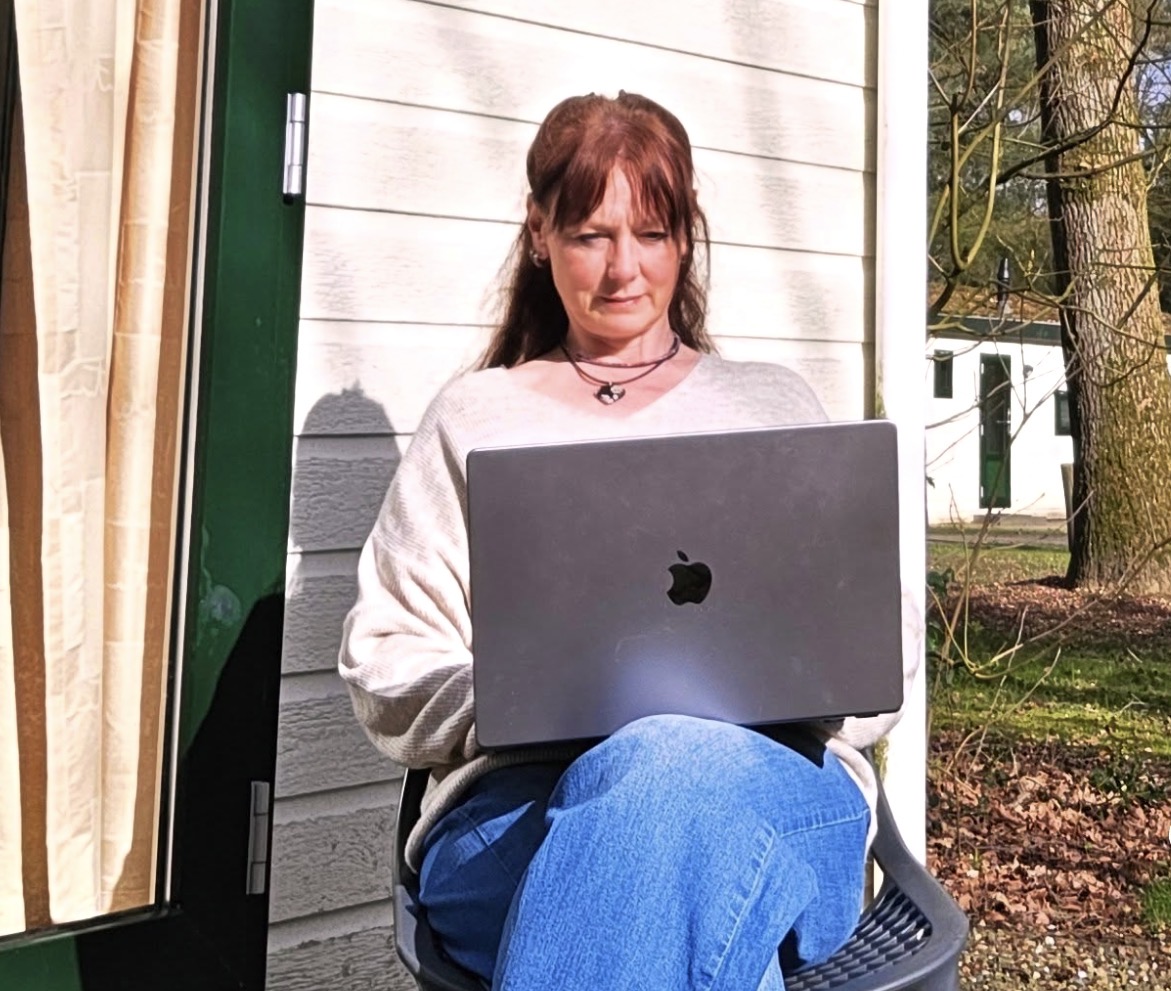
Retirement is supposed to be a time to relax, enjoy life, and spend more time doing the things you love. But for many seniors in the United States, having a little extra money each month can make a big difference.
Maybe you want to cover your grocery bills without dipping into your savings.
Perhaps you want extra spending money for family visits, hobbies, or vacations. Or maybe you simply enjoy staying busy and want something productive to do from home.
The good news is that you don’t have to return to a demanding full-time job to earn extra income.
There are several work-from-home jobs that seniors over 60 can do with a computer, an internet connection, and skills they already have. Some involve talking to people, while others let you work quietly on your own. A few even allow you to choose your working hours.
The secret is finding a job that fits your energy level, experience, and preferred lifestyle.
In this guide, we’ll look at 10 low-stress work-from-home jobs for seniors over 60, where to look for opportunities, and how to get started without spending a lot of money.
1. Online Survey Taker
If you want something simple to do in your spare time, taking online surveys may be worth considering.

Companies want to understand what customers think about their products, services, and shopping habits. Some pay people to answer questions and share their opinions.
The work is usually straightforward. You create an account, answer questions about yourself, and participate in surveys that match your profile.
You can often complete surveys from your couch or kitchen table. Some platforms also work on smartphones, so you may not need to buy a computer.
Why it’s low stress: You can usually complete surveys at your own pace without a boss, meetings, or a fixed work schedule.
How to get started: Research established survey platforms such as Survey Junkie and Prolific. Check their eligibility rules, payment methods, and availability before signing up.
Keep your expectations realistic. Surveys can provide a little extra spending money, but they are not a reliable replacement for a regular paycheck. You may also qualify for only a few surveys.
2. Virtual Assistant
Have you spent years organizing schedules, answering emails, keeping records, or helping people stay organized?
Those skills could be useful as a virtual assistant.

Virtual assistants help business owners and professionals handle everyday administrative tasks. These may include scheduling appointments, organizing email inboxes, updating spreadsheets, and managing online calendars.
You don’t necessarily need a college degree. Good communication, basic computer skills, and attention to detail are often more important.
You could work for one small business for several hours a week instead of taking on a demanding full-time position.
Why it’s low stress: Many administrative tasks can be completed independently, especially when deadlines and responsibilities are clearly defined.
How to get started: Create a simple résumé highlighting your previous office, customer service, or organizational experience. Look for remote administrative assistant jobs on Indeed or freelance opportunities on Upwork.
Before accepting a position, ask about expected hours, deadlines, and whether you must respond to messages outside your scheduled work time.
Check out these legit part time jobs for seniors
3. Freelance Writing
Do you enjoy writing stories, explaining things, or sharing what you’ve learned over the years?
Freelance writing could be a good fit.
Businesses, websites, and online publications need writers to create blog posts, newsletters, product descriptions, and educational articles.

Your life experience can be an advantage. For example, a former teacher might write educational content, while someone who worked in banking might write about budgeting and saving.
You don’t have to write a book or produce lengthy articles. You could start with short blog posts or simple website content.
Why it’s low stress: You can often work from a quiet room, choose suitable projects, and organize your writing around your preferred schedule.
How to get started: Write two or three short sample articles on subjects you know well. Create a basic portfolio and look for beginner-friendly projects on Upwork or through small businesses.
Remember that freelance work can be unpredictable. Clients may request revisions, and you may need time to build a steady stream of assignments.
4. Online Tutor
If you spent years teaching, training employees, or helping children with homework, online tutoring may be worth exploring.

Tutors help students understand subjects such as English, reading, math, science, and history. Some also teach conversational English or help adults improve their writing skills.
You don’t always need to be a retired schoolteacher. If you have strong knowledge of a particular subject, you may be able to tutor students who need extra help.
Most sessions take place through video calls, and you can choose a subject and age group that suit your experience.
Why it’s low stress: You can schedule a manageable number of sessions each week and focus on subjects you already understand.
How to get started: Explore platforms such as Wyzant or Preply. Review their tutor requirements, fees, and teaching arrangements.
Keep in mind that tutoring requires patience and preparation. If video calls tire you out, consider shorter sessions or tutoring that focuses on written feedback.
Check out legit side hustle ideas for seniors that pay well
5. Proofreading and Editing
Are you the person who notices spelling mistakes on restaurant menus or catches errors in letters before they are sent?
You might enjoy proofreading.

Proofreaders review written material to find spelling, grammar, punctuation, and formatting errors. Some also check whether a document follows a consistent style.
You could work on blog posts, newsletters, business documents, educational materials, or manuscripts.
You don’t need to be a professional writer, but you should have a good understanding of written English and a sharp eye for detail.
Why it’s low stress: Much of the work can be completed independently without phone calls or constant interaction with customers.
How to get started: Practice by proofreading sample documents and creating a few before-and-after examples. Search for freelance editing projects on Fiverr or Upwork.
Start with short documents rather than complicated manuscripts. Also, ask clients to explain their deadlines and the level of editing they expect.
6. Remote Customer Service Representative
If you enjoy helping people solve problems, remote customer service may offer a way to earn money without commuting.

Customer service representatives answer questions about products, services, orders, appointments, and account issues. Depending on the employer, you might communicate through phone calls, email, or live chat.
Your previous experience in retail, hospitality, banking, or office administration could be useful.
Some companies offer part-time positions, which may be a better fit than a full-time schedule.
Why it’s low stress: Working from home eliminates commuting, and some email or chat positions involve less pressure than handling continuous phone calls.
However, customer service isn’t automatically easy. Certain jobs involve strict performance targets, difficult customers, or back-to-back calls.
7. Bookkeeping
Bookkeeping may suit you if you enjoy numbers, organization, and keeping financial records accurate.

Small businesses need help recording transactions, categorizing expenses, preparing invoices, and reconciling accounts. Some hire remote bookkeepers for a few hours each week.
Previous experience in accounting, payroll, banking, or office administration can give you a head start.
If you have never done bookkeeping, you can learn the basics through courses and practice with bookkeeping software before looking for clients.
Why it’s low stress: Many tasks follow a clear process and can be performed independently. You may also be able to arrange recurring work with a small number of clients.
How to get started: Learn basic bookkeeping principles and explore software such as QuickBooks. Look for entry-level remote bookkeeping jobs or small businesses seeking part-time assistance.
Accuracy matters because you may handle confidential financial information.
Avoid taking on tax or accounting responsibilities beyond your training.
8. Online Research Assistant
Do you enjoy looking things up, comparing information, and finding answers to questions?
Online research could turn that interest into a paid service.

Businesses, writers, and consultants sometimes need help gathering information. Tasks might include researching competitors, finding contact information for businesses, comparing product features, or compiling information from reliable sources.
For example, a small business might ask you to research ten competing companies and organize their prices and services in a spreadsheet.
Why it’s low stress: You can often work quietly and independently, making it appealing if you prefer limited phone conversations.
How to get started: Practice using search engines, spreadsheets, and reputable websites. Create a sample research report to demonstrate your skills, then look for remote research assistant or freelance research projects.
The key is to check your sources carefully and keep information organized. Some assignments have tight deadlines, so choose projects that give you enough time to work comfortably.
9. Transcriptionist
Transcription involves listening to audio recordings and converting spoken words into written text.

The recordings might include interviews, podcasts, meetings, or other discussions. Some transcription jobs require you to follow a particular format or identify different speakers.
This work can appeal to seniors who enjoy listening carefully and typing.
You don’t necessarily need advanced qualifications for general transcription, although you will need good listening skills, accurate spelling, and reasonable typing speed. Specialized medical or legal transcription may require additional training.
Why it’s low stress: You can often work independently without speaking to customers throughout the day.
However, transcription can become tiring if the recordings are unclear or the deadlines are short. Payment arrangements also vary, and a recording’s length is not the same as the time needed to transcribe it.
How to get started: Practice with short audio clips and check your accuracy. Explore transcription companies such as Rev and review their current application requirements and available work.
Start with manageable recordings and calculate how much you earn for the actual time spent working.
10. Online Reselling
You may already own items that someone else would be happy to buy.

Online reselling involves listing used or new products on an online marketplace and shipping them to buyers. You might sell books, collectibles, clothing, vintage kitchenware, or small household items.
You can begin with things you already own rather than purchasing inventory.
For instance, you could photograph a few books, write honest descriptions, and list them on eBay.
Why it’s low stress: You can choose which items to list and work at a pace that suits you. You may also be able to manage most tasks from home.
How to get started: Choose lightweight items that are easy to photograph, pack, and ship. Research similar listings to understand reasonable prices, and check the platform’s fees before setting your prices.
Remember that reselling involves more than posting a picture. You may need to answer buyer questions, package orders, handle returns, and make trips to a shipping location. Start small to avoid creating more work than you want.
How to Choose the Best Work-From-Home Job After 60
Not every job that sounds easy will feel easy to you. The best choice depends on your preferences, experience, and how much time you want to spend working.
Here are a few things to consider before applying.
- Choose work that matches your experience. If you spent years teaching, tutoring may feel more natural than bookkeeping.
- Look for part-time hours. You don’t have to work 40 hours a week to earn extra income.
- Consider your preferred work style. If you dislike phone calls, proofreading, research, or writing may be better options.
- Check the equipment requirements. Some jobs require a computer, a headset, specific software, or a quiet workspace.
- Understand how you’ll be paid. Ask about hourly rates, project fees, payment schedules, and any platform charges before accepting work.
Beware of Work-From-Home Job Scams
Unfortunately, scammers often target people who are looking for flexible remote work.
Be especially careful with offers promising hundreds of dollars a day for simple tasks with little experience. A legitimate employer should be able to explain the job, responsibilities, and payment terms.
Watch out for these warning signs:
- Being asked to pay upfront for a job or mandatory training.
- Receiving a check and being told to send some of the money back.
- Being asked to purchase gift cards or transfer cryptocurrency.
- Getting a job offer without a meaningful interview or verification process.
- Being pressured to share sensitive personal or banking information before you’ve verified the employer.
Frequently Asked Questions
What is the easiest work-from-home job for seniors over 60?
Online surveys, simple administrative tasks, and proofreading may be good starting points, depending on your skills. Surveys are easy to try but generally offer limited income. Administrative work and proofreading may provide more earning potential when you have the right skills.
Can seniors over 60 work from home with no experience?
Yes. Some online survey platforms, entry-level