
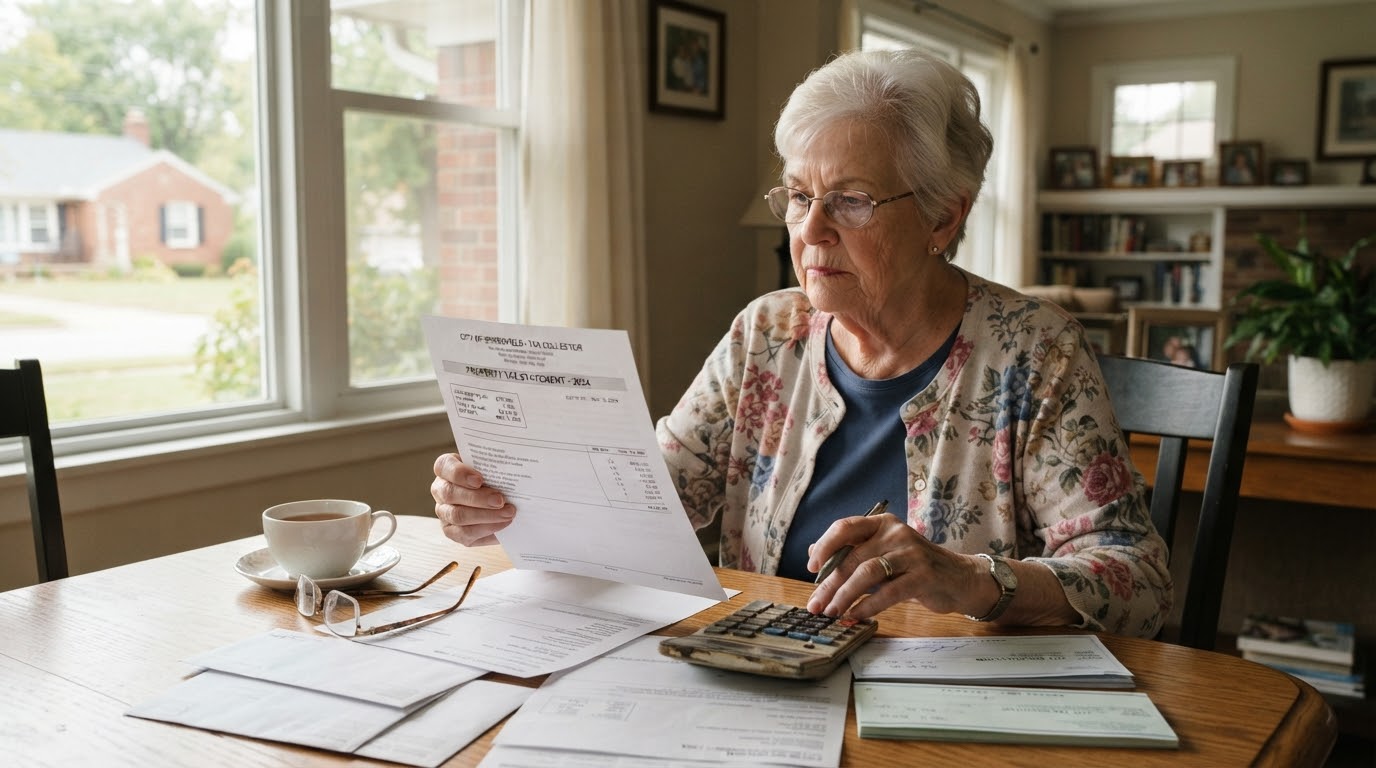
If you’re over 65 and own a home in the United States, there’s a good chance you’re paying more in property taxes than you need to.
Think about it. You may have spent 30 or 40 years paying off your mortgage.
You finally own your home outright. But every year, the property tax bill keeps coming. Sometimes, it increases even when your retirement income stays exactly the same.
For seniors living on Social Security, a pension, or personal savings, those extra dollars matter.
An additional $500 a year in property taxes could cover several grocery trips, utility bills, prescription copays, or other everyday expenses.
Here’s the good news. Many states, counties, and cities offer property tax exemptions, credits, assessment freezes, and other forms of tax relief specifically for older homeowners.
Some programs are designed for people aged 65 and older.
Others depend on income, disability status, how long you’ve owned your home, or whether you’ve served in the military. In some places, qualifying homeowners can receive more than one type of relief.
The catch? These programs aren’t always advertised clearly. You may need to apply, submit proof of age, meet an income limit, or renew your application every year.
And turning 65 doesn’t automatically qualify you for every benefit.
In this guide, we’ll cover 10 property tax breaks worth investigating, where to look for them, and how to avoid missing out on money that could stay in your pocket.
1. The Senior Homestead Exemption
This is one of the first property tax breaks you should investigate when you turn 65.

A homestead exemption can reduce the taxable value of your primary residence.
In some states, seniors qualify for an additional exemption on top of the standard benefit available to other homeowners.
That means you might pay property taxes on a smaller assessed value instead of the full amount.
For example, imagine your home has an assessed value of $250,000.
If your local government grants a $25,000 exemption, your taxable value could drop to $225,000, subject to local assessment rules and any other applicable adjustments.
Your actual savings depend on your local tax rate.
Who can qualify?
Requirements vary, but you may need to:
- Be at least 65 years old.
- Own and occupy the home as your primary residence.
- Meet any applicable income limits.
- Submit proof of age and ownership.
- Apply by the local filing deadline.
Some states offer homestead exemptions to homeowners of all ages, while others provide additional relief for seniors.
Florida, for example, offers a general homestead exemption that can reduce a qualifying home’s taxable value by as much as $50,000. Additional senior benefits may be available in certain counties or municipalities.
Alabama also provides an important example. Homeowners aged 65 and older may qualify for an exemption from the state portion of property taxes, although county taxes can still apply.
These examples show why checking your own state’s rules is essential.
How to claim it
Contact your county property appraiser, assessor, or tax collector. Ask whether your state offers a senior homestead exemption and whether you need to file a separate application after turning 65.
If you already receive a standard homestead exemption, don’t assume the senior benefit has been added automatically.
The takeaway: Start with the homestead exemption. It may be the easiest place to discover meaningful savings on your annual property tax bill.
Are you a senior looking for legit part time jobs to make extra money from home? You’ll find this guide helpful.
2. The Senior Citizen Property Tax Exemption
Some states and local governments offer a separate property tax exemption specifically for older homeowners.

Unlike a general homestead exemption, this benefit is often designed to help retirees whose income hasn’t kept pace with rising home values and property taxes.
Depending on the program, it may reduce the assessed value of your home by a percentage or exclude a specified amount from taxation.
New York offers a good example. Participating local governments and school districts can provide qualifying seniors with an exemption that reduces the taxable assessment of their home by as much as 50%. Seniors generally must be at least 65 and meet local income and other requirements.
That does not mean every New York senior receives a 50% reduction. Local governments choose whether to offer the program and set eligibility rules within state law.
Why this exemption is worth checking
You might assume your Social Security benefits are too high to qualify. Or perhaps you have a modest pension and a little money in a savings account.
Don’t rule yourself out without checking the actual rules.
Income calculations differ between programs. Some count certain Social Security benefits, retirement distributions, interest, and other income. Others permit specific deductions or exclusions.
Also, don’t assume that a home must be completely paid off. Some programs allow qualifying homeowners who still have a mortgage to apply.
How to claim it
Ask your local assessor whether a senior citizen property tax exemption is available.
Find out:
- The minimum age requirement.
- The household income ceiling.
- Whether your spouse’s income counts.
- Whether the home must be your primary residence.
- Which application form and supporting documents are required.
If you live in New York, you can start with the state’s official Senior Citizens Exemption information.
The takeaway: Ask specifically about a senior citizen exemption. A general homestead exemption may not be the only benefit available to you.
3. The Property Tax Assessment Freeze
Here’s a benefit that can be especially helpful if your neighborhood has become more expensive over the years.
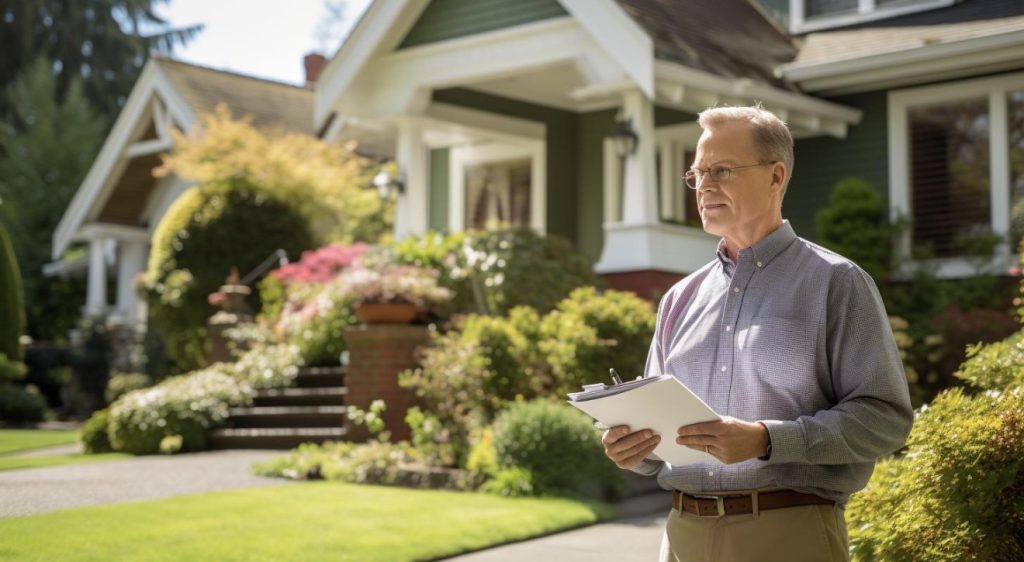
A property tax assessment freeze can limit increases in the assessed value used to calculate your property taxes.
Why does that matter?
Imagine you bought your home years ago for $150,000. Today, similar houses in your neighborhood sell for $350,000.
That increase can put pressure on your property tax bill, even if you haven’t received a raise or an increase in retirement benefits.
An assessment freeze may protect eligible seniors from some of that growth in assessed value.
However, there’s an important distinction: freezing your assessment does not necessarily freeze your property tax bill.
Your taxes can still change if local tax rates rise, special assessments are added, or the program’s rules allow other adjustments.
Who may qualify?
Assessment freeze programs commonly require applicants to:
- Meet a minimum age, often 65.
- Own and occupy the property as their primary residence.
- Stay within a household income limit.
- Meet any minimum ownership or residency period.
- Apply and renew when required.
For example, Kane County, Illinois, offers a Low-Income Senior Citizen Assessment Freeze Homestead Exemption for eligible homeowners aged 65 and older who meet income and residency rules. The county explains that the benefit freezes the assessment, not the tax bill.
How to claim it
Contact your county assessor and ask whether your state or county offers a senior assessment freeze.
Ask what year your assessment would be frozen at, which income sources count, and whether the benefit continues automatically or requires annual renewal.
The takeaway: If your home value has increased significantly but your retirement income hasn’t, an assessment freeze deserves a place on your checklist.
4. The Property Tax Circuit Breaker Credit
This is one of the most overlooked types of property tax relief for retirees.

A property tax circuit breaker is designed to help qualifying households when property taxes consume too much of their income.
Think of it as a safety net.
Instead of giving every senior the same exemption, a circuit breaker program generally considers the relationship between household income and property taxes. Depending on the state, it may provide a refundable credit, a rebate, or another form of tax relief.
For example, imagine a retiree receives $30,000 in annual income and faces a $4,500 property tax bill. Those taxes represent 15% of the retiree’s income.
A state with a circuit breaker program might provide relief if that household meets the program’s eligibility requirements and the tax burden exceeds its specified threshold.
The actual benefit depends on the state’s formula, income limits, property tax amount, and maximum credit.
Why seniors should investigate it
A circuit breaker can be especially valuable if you:
- Rely mainly on Social Security.
- Receive a small pension.
- Have experienced rising property taxes.
- Own a home that has increased in value.
- Have limited cash available after paying essential bills.
Some states extend relief to renters as well, but the rules for homeowners and renters can differ.
How to claim it
Start with your state department of revenue or taxation website. Search for terms such as senior property tax credit, property tax circuit breaker, or homeowner tax relief.
Ask whether the credit is claimed through your state income tax return or through a separate application.
Also, check whether you must file an income tax return to receive the benefit. In some places, a separate claim may be available even if you don’t otherwise owe state income tax.
Don’t confuse a property tax credit with a federal income tax deduction. They are different benefits with different rules.
The takeaway: If your property taxes take a large bite out of a modest retirement income, investigate circuit breaker programs before assuming there’s nothing you can do.
5. The Enhanced Homestead or Senior Exemption for Low-Income Homeowners
Not every senior has a comfortable retirement income.

Some homeowners rely on Social Security alone. Others have a small pension, limited savings, and rising costs for groceries, utilities, insurance, and medical care.
That’s why some states provide extra property tax relief to seniors who meet income requirements.
These programs may be called an elderly homeowner exemption, low-income senior exemption, elderly or disabled exclusion, or enhanced homestead exemption.
The name depends on the state.
In North Carolina, for example, qualifying homeowners aged 65 and older, or those who are totally and permanently disabled, may receive an exclusion for their permanent residence. For the 2026 tax year, the state program excludes the greater of $25,000 or 50% of the appraised value, subject to an income limit of $38,800 and other eligibility requirements.
That is a specific North Carolina example, not a nationwide benefit. The rules and amounts can change from year to year.
What counts as low income?
This is where many seniors make a mistake.
They assume their eligibility depends only on the amount shown on their Social Security statement.
That isn’t always true.
A program may count pension income, retirement account distributions, interest, dividends, or other household income. Some programs also have specific exclusions.
The income limit may apply to an individual, a married couple, or the entire household.
How to claim it
Ask your local tax assessor about income-based senior exemptions. Before applying, gather your Social Security statements, pension records, retirement account statements, and other financial documents the program requests.
If you are close to the income limit, ask the assessor how income is calculated before deciding you aren’t eligible.
The takeaway: Don’t overlook an income-based exemption just because you own a home. Some programs are specifically intended to help older homeowners remain in their homes on a limited income.
6. The Property Tax Deferral Program for Seniors
What if you qualify for property tax relief but still cannot afford your remaining tax bill?
A property tax deferral program may be worth investigating.
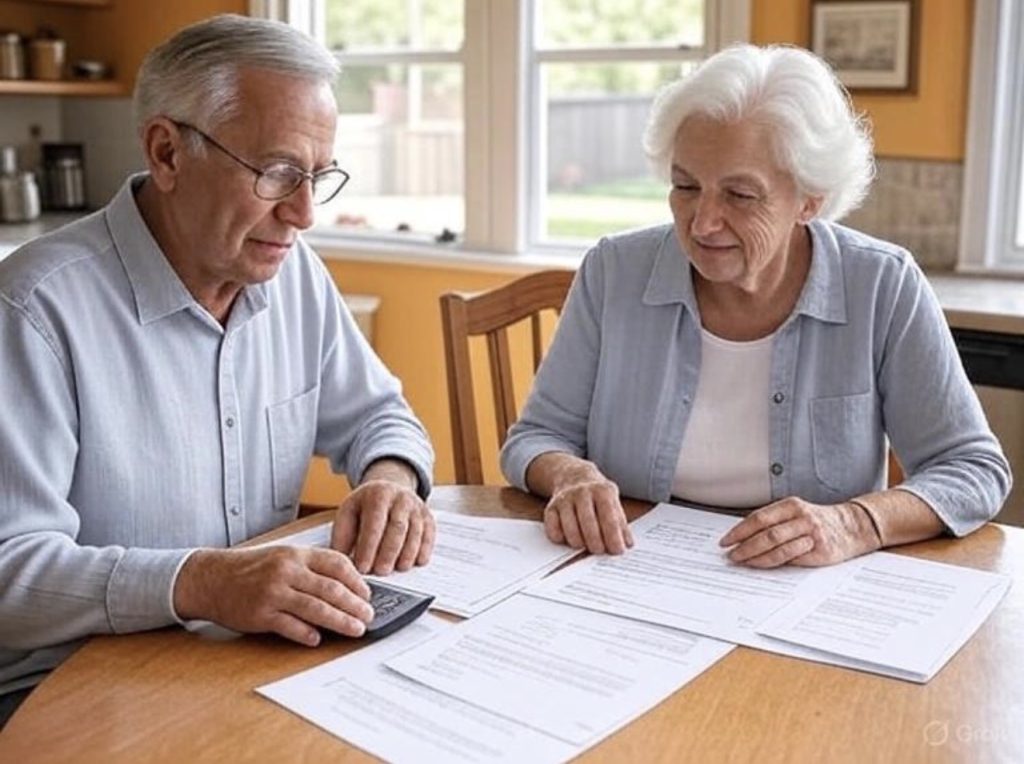
Unlike an exemption, which reduces the amount of property value subject to taxation or directly reduces a tax bill, a deferral generally allows you to postpone paying some or all of your property taxes.
This can give retirees breathing room when their monthly income is limited.
For example, imagine you’re 72, own your home, and receive $2,000 a month in retirement income. Your property tax bill is $3,600 a year. Paying it leaves you short on money for groceries, utilities, and other expenses.
If your state or county offers a senior tax deferral and you qualify, you may be able to postpone payment rather than immediately sell your home or drain your savings.
But there is an important catch.
Deferred property taxes generally don’t disappear. Depending on the program, the unpaid balance may accrue interest, become a lien against your property, or become payable when you sell the home, transfer ownership, or no longer meet the eligibility requirements.
Your heirs may also need to address the outstanding balance when your estate is settled.
Who should consider this option?
You may want to investigate a deferral if you:
- Are 65 or older.
- Own and occupy your home.
- Have limited income or cash available.
- Meet the program’s ownership and residency requirements.
- Understand the long-term financial consequences.
Some programs impose income, equity, or minimum ownership requirements.
How to claim it
Contact your county tax collector or assessor and ask whether a senior property tax deferral is available.
Before signing anything, ask these questions:
- Does interest accrue on the deferred amount?
- Is a lien recorded against the property?
- When must the balance be repaid?
- What happens if I move into assisted living?
- Will my heirs inherit the repayment obligation?
Get the answers in writing if possible.
The takeaway: Deferral can help you stay in your home, but it is not the same as having your taxes forgiven. Compare it with any available exemption or credit before choosing.
7. The Disabled Senior Property Tax Exemption
If you’re over 65 and have a qualifying disability, you may have access to additional property tax relief.
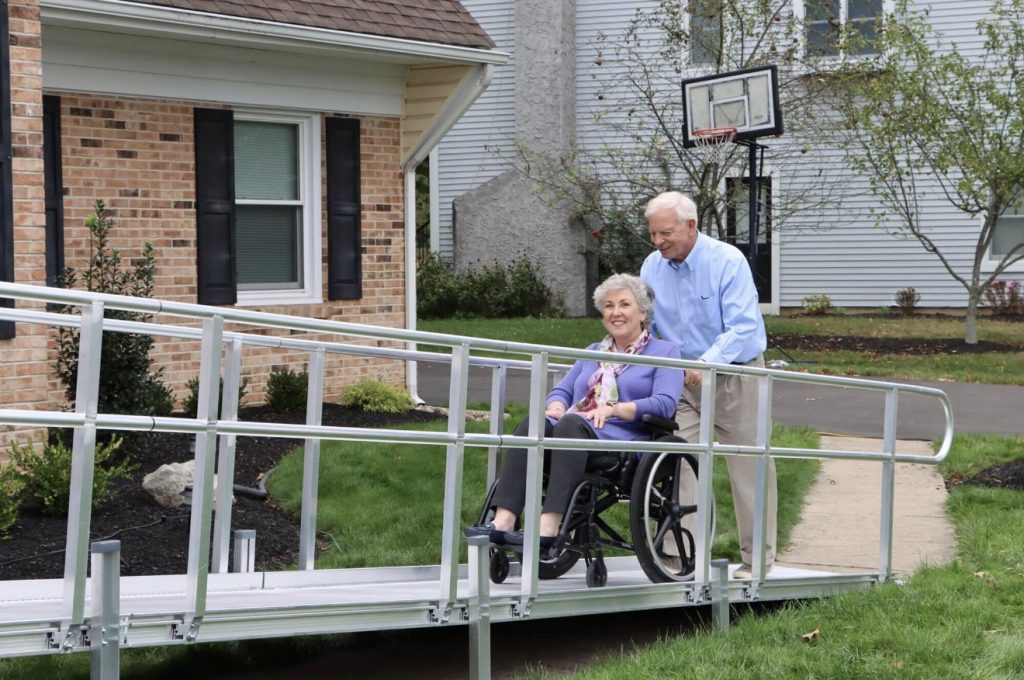
Some states offer exemptions for homeowners with disabilities regardless of age. Others have separate programs for older homeowners who meet disability requirements.
This can be particularly helpful if retirement coincides with higher medical expenses, reduced mobility, or the need for home modifications.
Depending on the program, a qualifying disability benefit may reduce taxable value, eliminate certain property taxes, or provide a tax credit.
What qualifies as a disability?
The definition depends on the law governing the program.
Some programs require proof of total and permanent disability. Others accept particular disability benefit determinations or medical certifications.
Receiving Social Security retirement benefits does not automatically establish eligibility for a disability-related property tax exemption.
Likewise, being over 65 does not automatically qualify you for a disability exemption.
How to claim it
Contact your state or county tax office and ask about property tax relief for homeowners with disabilities.
You may need to provide documentation such as a qualifying disability determination, a certificate from an authorized medical professional, or other proof specified by the program.
If you are married and own your home jointly, ask how the rules apply to your ownership arrangement.
Also, ask whether the disability exemption can be combined with a senior exemption. In some places, you must choose between benefits, w